
Blog
AI can help you understand your rights, but it can’t invent them
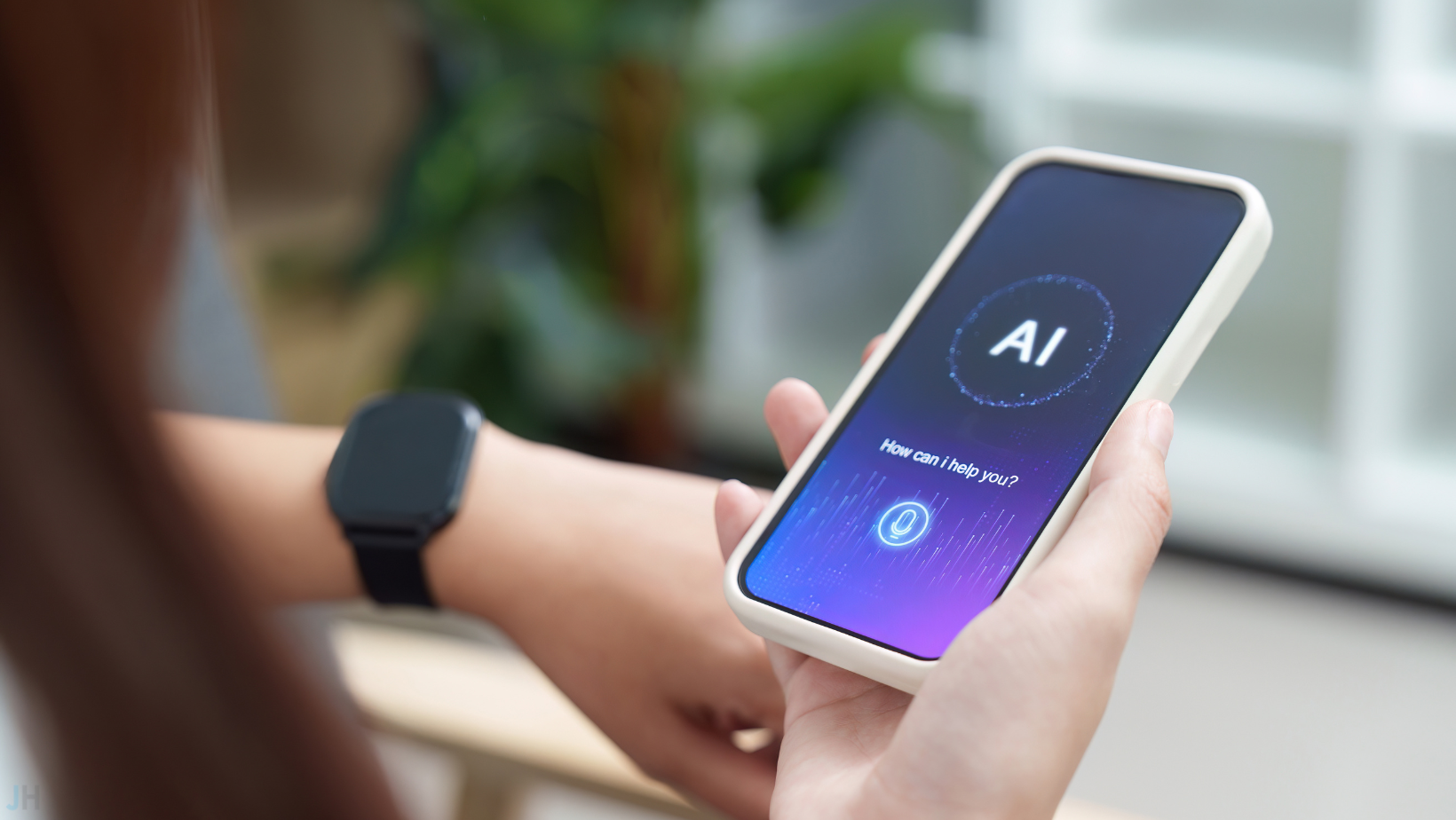
A recent decision by the Fair Work Commission serves as an important reminder to employees considering using AI tools, such as ChatGPT, to assist with their workplace disputes. While AI can be helpful, it can also get things wrong.
In Reece Hoverd v M & J D Pty Ltd ([2026] FWC 1013), Mr Hoverd lodged a general protections claim alleging he had been constructively dismissed after refusing a temporary roster change. The claim didn’t get off the ground, with the Fair Work Commission finding that the employee had resigned voluntarily and dismissing the application. More significantly, Deputy President Lake strongly criticised the employee’s reliance on AI-generated material that misrepresented his employment contract and the Waste Management Award 2020.
In correspondence, the employee openly admitted that he had used AI to assist with drafting his submissions, which relied on contract terms and Award clauses that did not exist. Even after being warned by the Commission not to provide false or misleading material, Mr Hoverd continued relying on non-existent Award clauses and inaccurate “extracts” of his contract.
Deputy President Lake did not mince words, stating “ignorance of the law is one thing”, but the employee’s repeated disregard for facts and reliance on incoherent legal arguments demonstrated “a deliberate misrepresentation” rather than mere ignorance.
After reviewing the written contract and the applicable Award, Deputy President Lake acknowledged that the Award contained obligations regarding roster changes and consultation. Still, he found it unnecessary to determine whether the employer complied with these obligations, given the employee resigned of his own initiative, relied on incorrect legal arguments, and repeatedly misrepresented the documents.
Can AI be a starting point for gathering information, asking better questions, and organising your thoughts? Sure, but it is not always accurate.
AI tools can misunderstand documents, invent legal clauses and cases, misstate legal obligations or confidently provide incorrect answers to give you a positive spin. If you rely on that information without properly checking it, particularly in legal proceedings, the consequences for your claim can be serious. If something at work does not feel right, get tailored advice from an employment lawyer before relying on AI-generated legal arguments that may not withstand scrutiny.
Disclaimer: This article should not be construed as legal advice and is not intended as such. If readers wish to obtain advice about anything contained in this article, they should speak with a lawyer and discuss their individual circumstances.


